 Skip to content
 The essay
SongBook
A print book about one song: “M@HФU 少女。。” by Mariko Gotou. Abby wrote the essay, designed its covers, and set the whole book in Futura.
Flip through the book- Role
- Design · Illustration · Writing
- Medium
- Print book, set in Futura PT
- Year
- 2026
The song
Cover
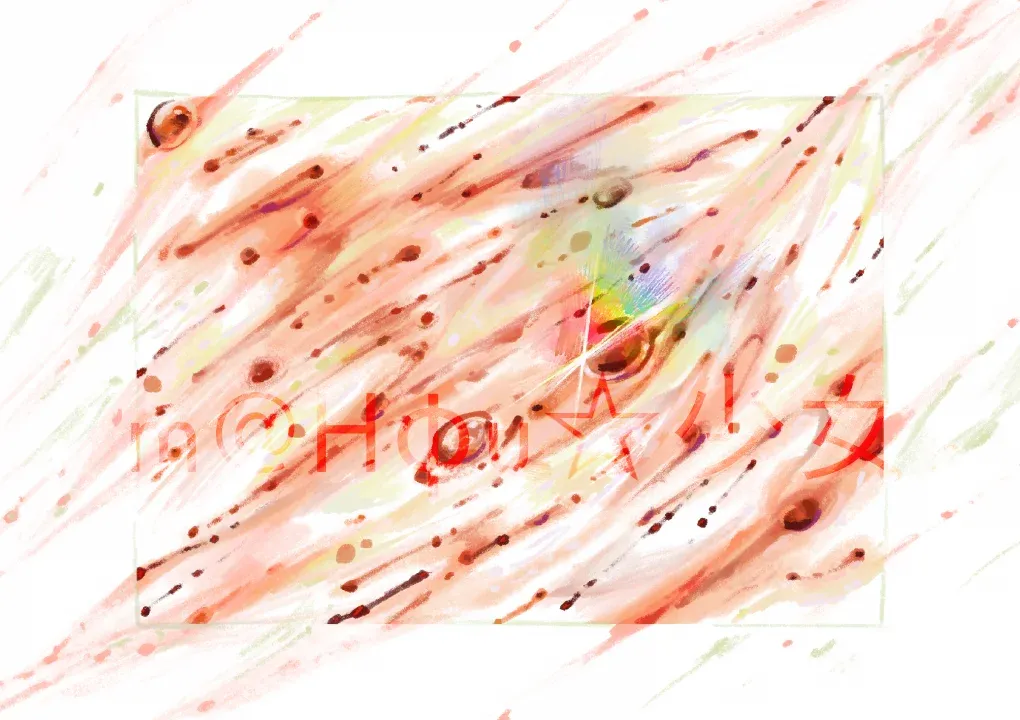
I chose the song “M@HФU 少女。。” by Mariko Gotou, it is written using special characters but the real title is “Mahou Shoujo,” which means magical girl. Mariko Gotou is famous for being in the band Midori, as well as singing the opening song for the anime Flowers of Evil. She’s a performance artist who prioritizes emotional delivery over perfection, clashing genres such as jazz and punk to construct chaotic and manic-like songs. It is the third song in the album 299792458, released in July 2012.
I first came across her many years ago when I read the manga Flowers of Evil, which later adapted into an anime. I fell deeply in love with her vocals and started researching her discography.
What the lyrics say
Song essay Pages 4–5
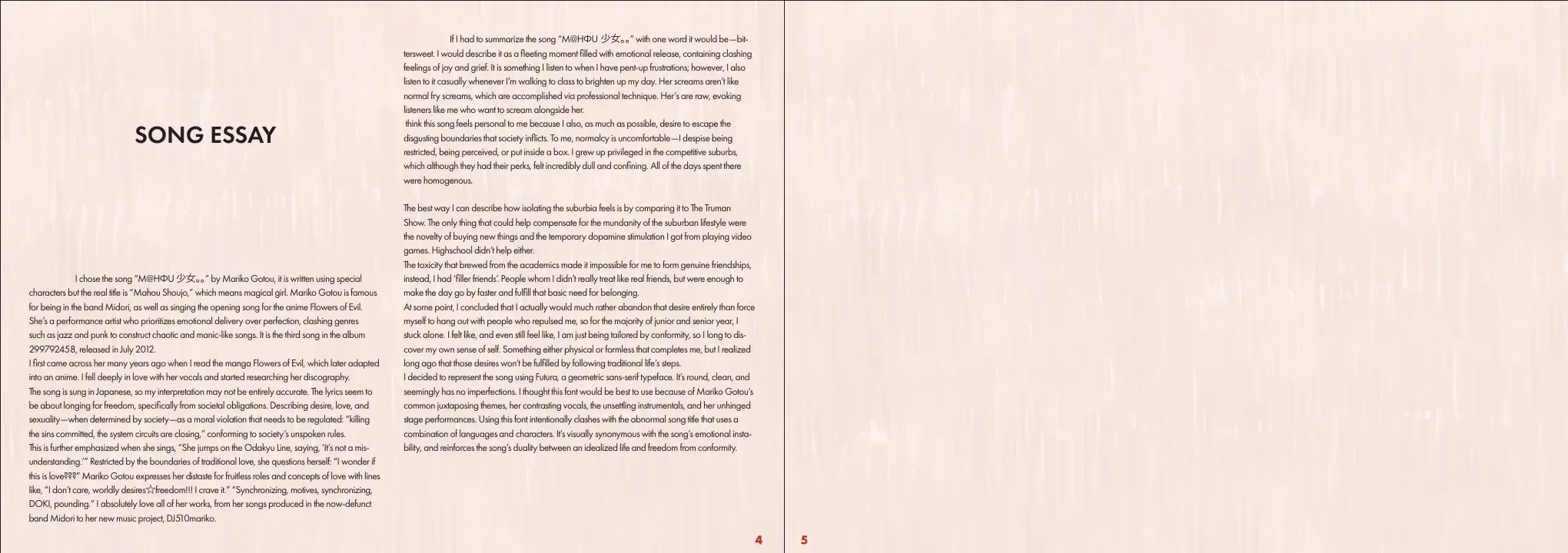
The song is sung in Japanese, so my interpretation may not be entirely accurate. The lyrics seem to be about longing for freedom, specifically from societal obligations. Describing desire, love, and sexuality—when determined by society—as a moral violation that needs to be regulated: “killing the sins committed, the system circuits are closing,” conforming to society’s unspoken rules.
This is further emphasized when she sings, “She jumps on the Odakyu Line, saying, ‘It’s not a misunderstanding.’” Restricted by the boundaries of traditional love, she questions herself: “I wonder if this is love???”
DOKI, pounding
Studies 27–28 Pages 32–33
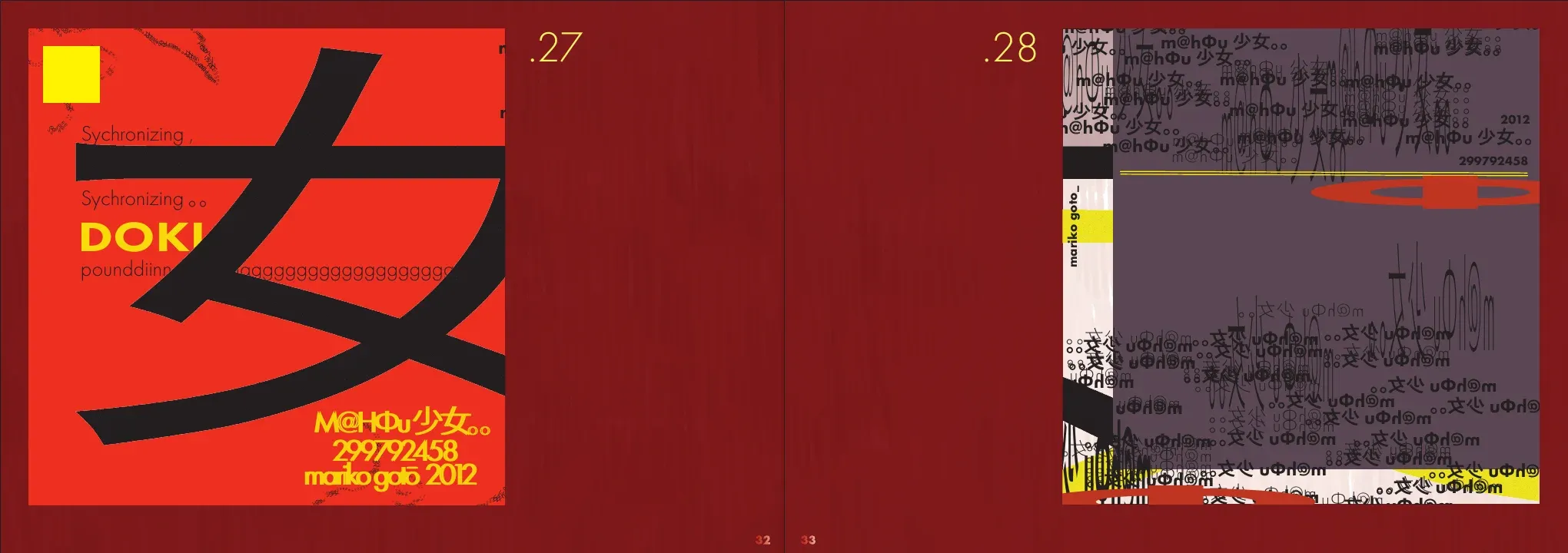
Mariko Gotou expresses her distaste for fruitless roles and concepts of love with lines like, “I don’t care, worldly desires☆freedom!!! I crave it.” “Synchronizing, motives, synchronizing, DOKI, pounding.” I absolutely love all of her works, from her songs produced in the now-defunct band Midori to her new music project, DJ510mariko.
Bittersweet
Studies 25–26 Pages 30–31
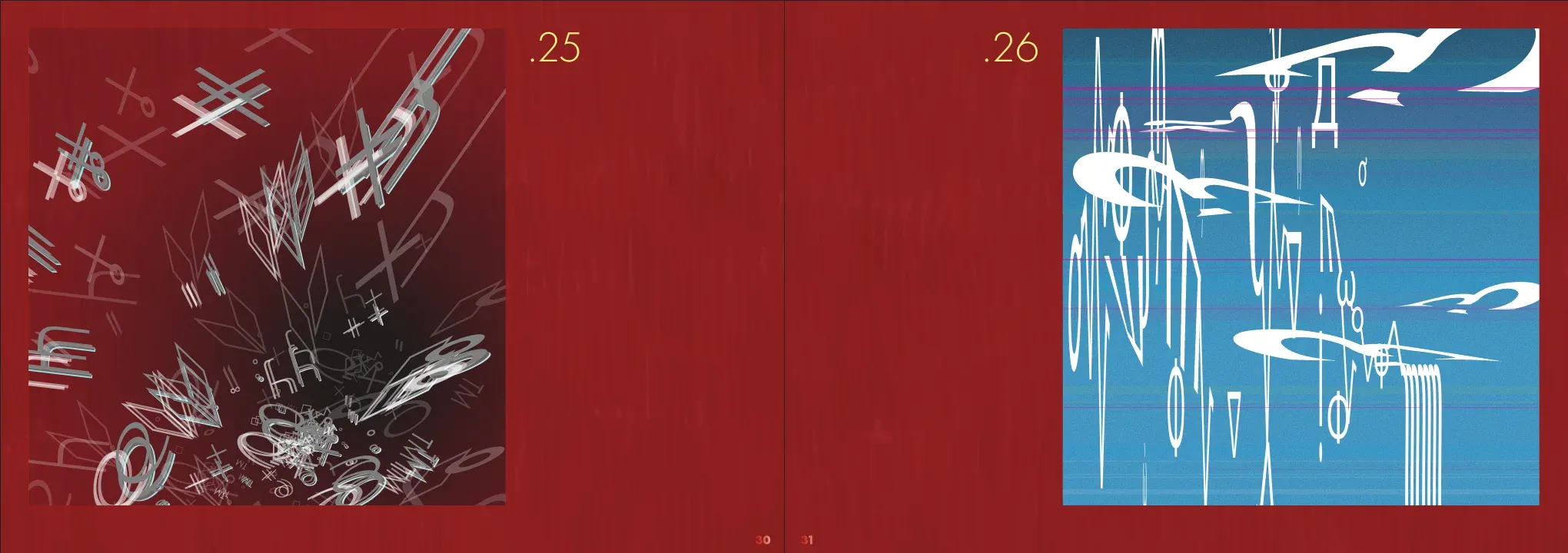
If I had to summarize the song “M@HФU 少女。。” with one word it would be—bittersweet. I would describe it as a fleeting moment filled with emotional release, containing clashing feelings of joy and grief.
It is something I listen to when I have pent-up frustrations; however, I also listen to it casually whenever I’m walking to class to brighten up my day. Her screams aren’t like normal fry screams, which are accomplished via professional technique. Her’s are raw, evoking listeners like me who want to scream alongside her.
Homogenous days
Studies 1–4 Pages 10–11
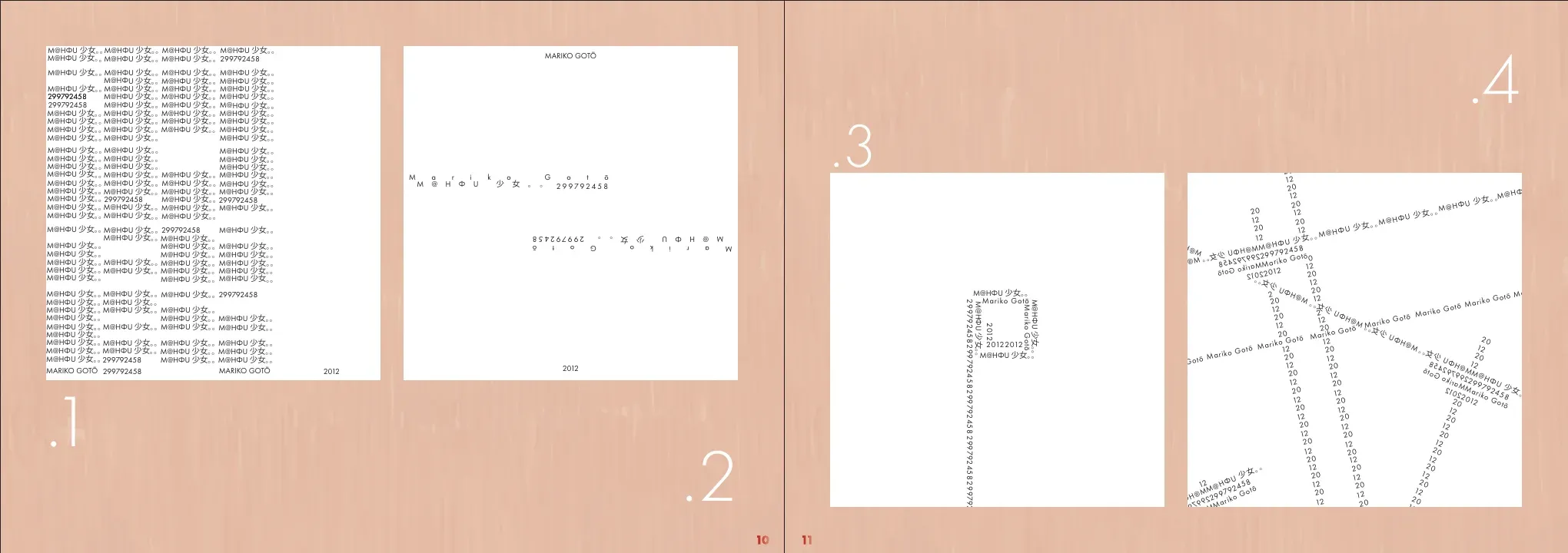
[I] think this song feels personal to me because I also, as much as possible, desire to escape the disgusting boundaries that society inflicts. To me, normalcy is uncomfortable—I despise being restricted, being perceived, or put inside a box. I grew up privileged in the competitive suburbs, which although they had their perks, felt incredibly dull and confining. All of the days spent there were homogenous.
The best way I can describe how isolating the suburbia feels is by comparing it to The Truman Show. The only thing that could help compensate for the mundanity of the suburban lifestyle were the novelty of buying new things and the temporary dopamine stimulation I got from playing video games. Highschool didn’t help either.
The toxicity that brewed from the academics made it impossible for me to form genuine friendships, instead, I had ‘filler friends’. People whom I didn’t really treat like real friends, but were enough to make the day go by faster and fulfill that basic need for belonging.
At some point, I concluded that I actually would much rather abandon that desire entirely than force myself to hang out with people who repulsed me, so for the majority of junior and senior year, I stuck alone. I felt like, and even still feel like, I am just being tailored by conformity, so I long to discover my own sense of self. Something either physical or formless that completes me, but I realized long ago that those desires won’t be fulfilled by following traditional life’s steps.
Flowers of Evil
Inspirations Pages 20–21
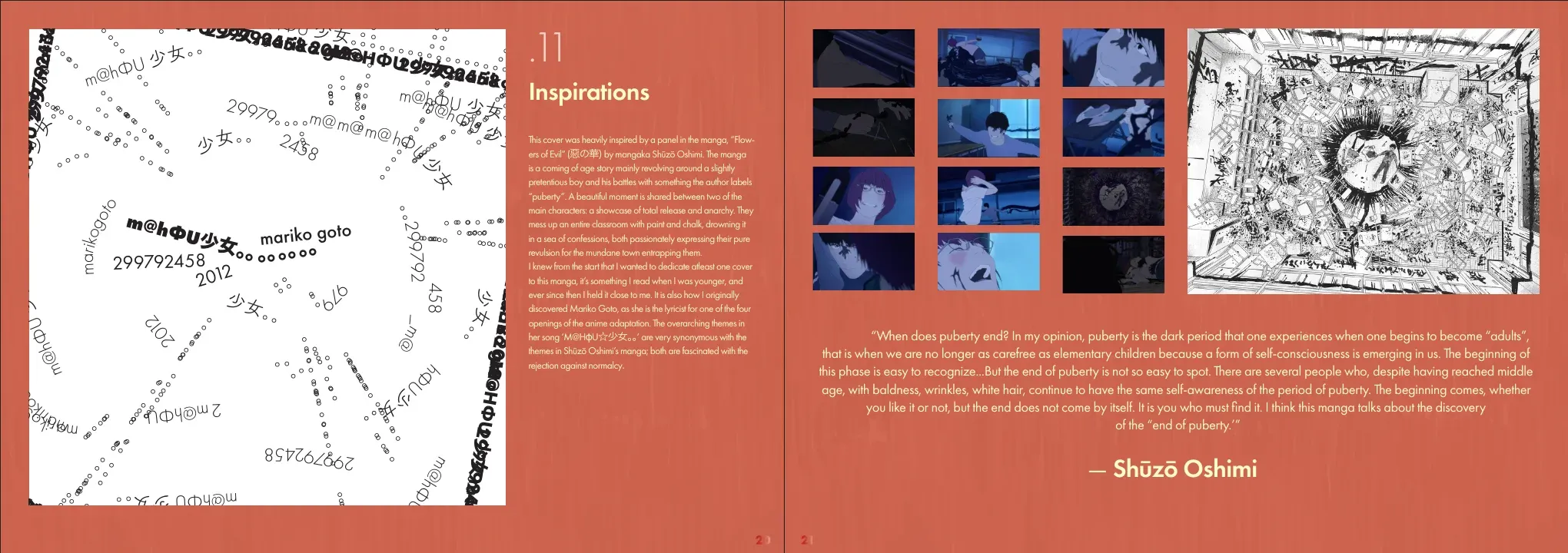
This cover was heavily inspired by a panel in the manga, “Flowers of Evil” (惡の華) by mangaka Shūzō Oshimi. The manga is a coming of age story mainly revolving around a slightly pretentious boy and his battles with something the author labels “puberty”. A beautiful moment is shared between two of the main characters: a showcase of total release and anarchy. They mess up an entire classroom with paint and chalk, drowning it in a sea of confessions, both passionately expressing their pure revulsion for the mundane town entrapping them.
I knew from the start that I wanted to dedicate atleast one cover to this manga, it’s something I read when I was younger, and ever since then I held it close to me. It is also how I originally discovered Mariko Goto, as she is the lyricist for one of the four openings of the anime adaptation. The overarching themes in her song ‘M@HφU☆少女。。’ are very synonymous with the themes in Shūzō Oshimi’s manga; both are fascinated with the rejection against normalcy.
Why Futura
Studies 17–20 Pages 18–19
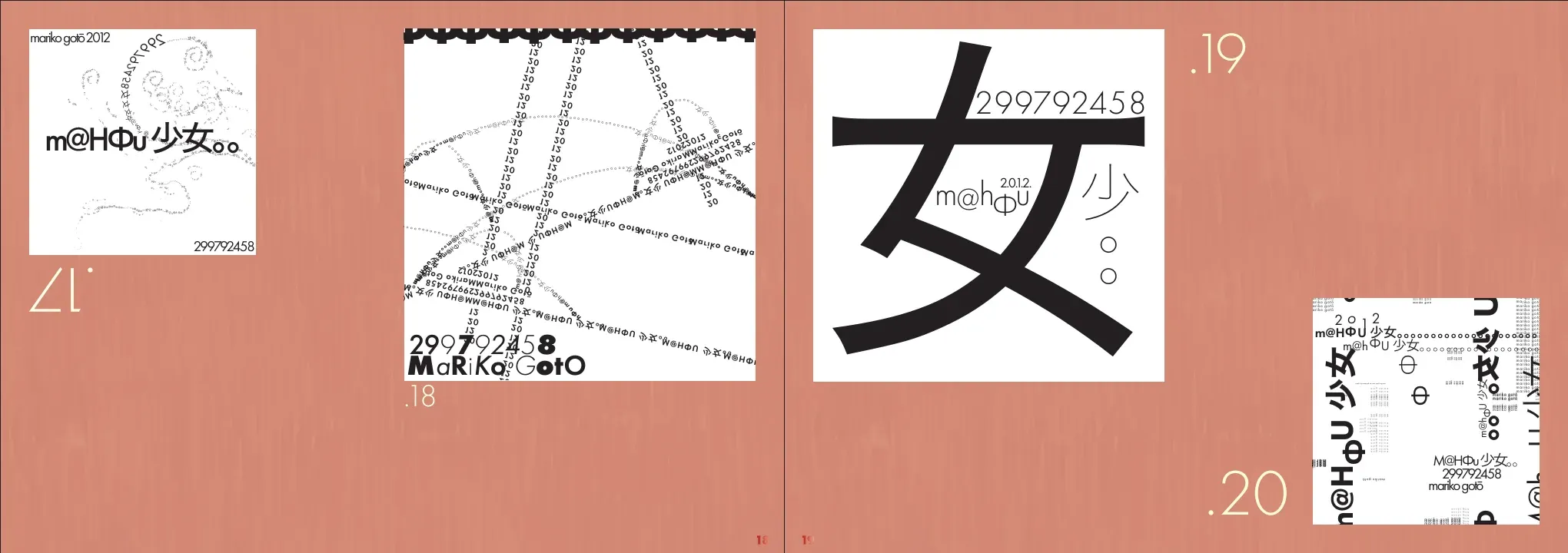
I decided to represent the song using Futura, a geometric sans-serif typeface. It’s round, clean, and seemingly has no imperfections. I thought this font would be best to use because of Mariko Gotou’s common juxtaposing themes, her contrasting vocals, the unsettling instrumentals, and her unhinged stage performances. Using this font intentionally clashes with the abnormal song title that uses a combination of languages and characters. It’s visually synonymous with the song’s emotional instability, and reinforces the song’s duality between an idealized life and freedom from conformity.
Song animation
Companion work
Made alongside the book, not bound into it: a kinetic-type animation that sets the lyrics flashing over live footage.
How it was printed
Colophon Page 46
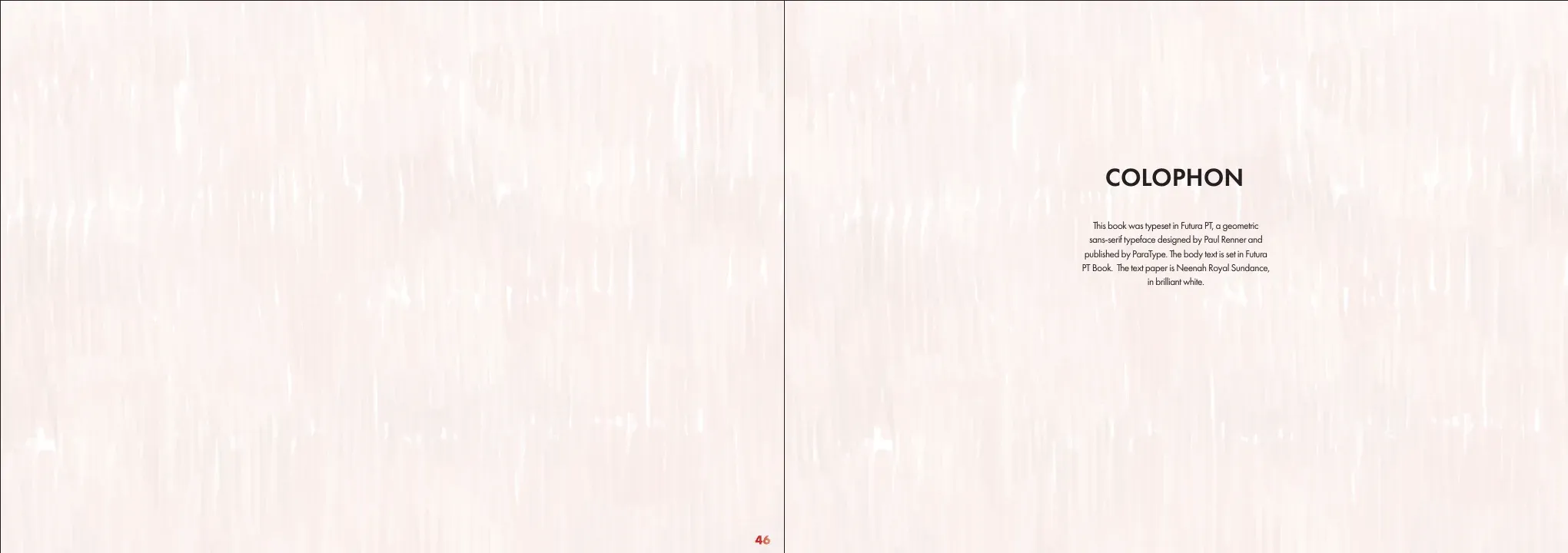
This book was typeset in Futura PT, a geometric sans-serif typeface designed by Paul Renner and published by ParaType. The body text is set in Futura PT Book. The text paper is Neenah Royal Sundance, in brilliant white.